
The Clock Ticks On, but the Assigned Risk Quote Does Not Arrive
In a quiet office nestled on the edge of town, insurance agent Terry Williams found himself trapped in a cycle of anticipation, staring blankly into the void as he awaited the all-important quote from the Assigned Risk Plan. Days turned into weeks, which then turned into months, and yet, not a single sign of life came from the abyss of paperwork and bureaucratic delay.
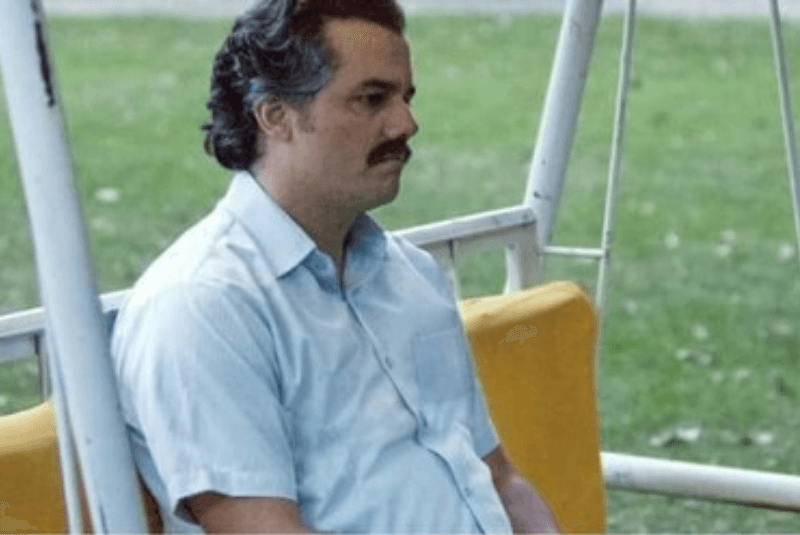
Images captured during this seemingly endless wait depict a grim reality: Williams, sitting on a swing in the park, slowly pushing himself back and forth, gazing at the sky as the minutes stretch into infinity. The swing creaks like the metaphor for his professional life, caught in limbo. Behind him, the faint glow of his office light flickers—the only indication that life continues to move while his world stands still.
“It’s just so quiet,” Williams muttered, staring at his computer screen with wide, tired eyes. “There’s nothing to do but wait. The quote’s out there somewhere… floating… just… waiting.”
As the hours drag on, Williams’ dedication to his craft is evident, but his patience is wearing thin. In a dramatic photograph, Williams is captured standing alone in his office, hands on his hips, staring off into space as if hoping that by sheer force of will, the quote will materialize before him. His coffee sits untouched, the surface of the mug reflecting the faint outline of a clock on the wall that seems to tick slower and slower with each passing moment.
“Is this how it feels to be on the edge of time? To exist between ‘now’ and ‘someday’?” Williams muses. “Every minute that passes feels like an eternity. Like I’m waiting for the seasons to change, but they just… don’t.”
The Assigned Risk process has long been a source of existential contemplation for agents, known for its notorious slowness. Yet, nothing quite prepares an agent for the spiritual journey of waiting for a quote, especially when the Assigned Risk is involved. There’s no tracking system. No notification. Just pure, unadulterated waiting. And Terry, like all who have gone before him, has learned to live with it.
In yet another image, Williams can be seen staring blankly at a wall calendar, marking off the days in anticipation—each square a reminder of a promise unkept. It’s as if the calendar itself is mocking him, offering false hope. “Oh, next week?” the calendar seems to say. “Sure, Terry. Sure.”
Williams’ colleagues have tried to comfort him, reminding him that this is just “part of the job,” but he knows better.
“I’ve tried everything,” Williams admits, his voice filled with the quiet desperation of someone who has waited too long. “I’ve even rearranged my paper clips. Nothing works. All I can do is stare into the void… and wait.”
Then, in a glimmer of hope, Williams receives the fateful notification: “Quote Received.” The moment is quiet, anticlimactic. The long wait ends with a click. But as Williams clicks open the email, he finds it—just another form to fill out.
“I think I’ll just… sit here for a bit longer,” he says.
And so, Williams waits once more.


